
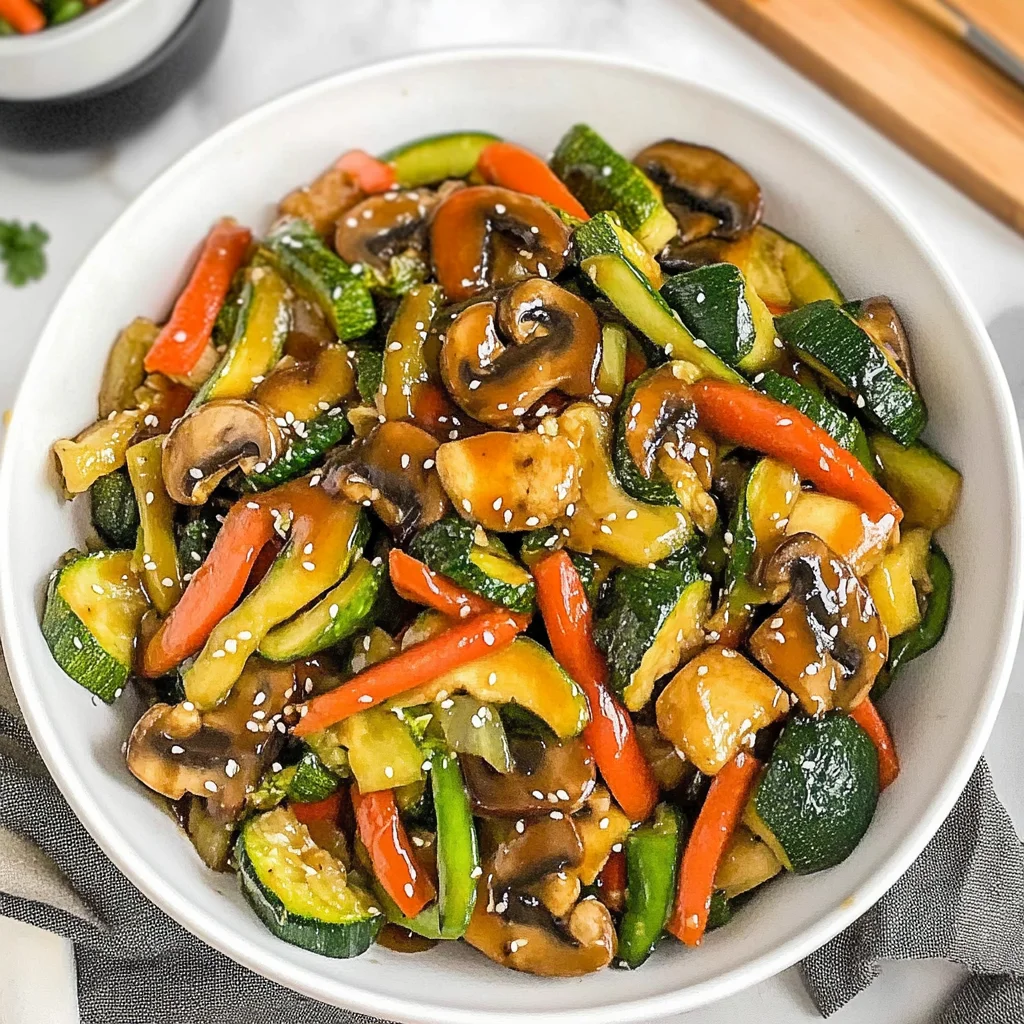
Imagine the sizzle of fresh vegetables dancing on a hot grill, their vibrant colors bursting with life as they caramelize to perfection. Hibachi vegetables deliver a delightful medley of flavors and textures, from crisp snap peas to tender zucchini, creating an irresistible aroma that fills the air and beckons you to take a bite.
I still remember my first experience at a lively hibachi restaurant, where the chef’s culinary performance kept everyone in stitches while expertly flipping veggies like a seasoned juggler. It’s the perfect dish for gatherings, family dinners, or even a cozy night in when you crave something light yet satisfying. Get ready for a flavor explosion that will leave you eagerly anticipating every mouthful of these delicious hibachi vegetables.
Why Is hibachi vegetables So Irresistibly Good?
Fresh and vibrant veggies like zucchini, bell peppers, and broccoli bring a burst of color and nutrition to your plate. Quick and easy, this recipe comes together in just 20 minutes, making it perfect for busy weeknights. Flavor-packed with garlic, ginger, and sesame oil, each bite is a delightful taste of the grill. Versatile enough to pair with any protein or serve on its own, these hibachi vegetables are sure to impress family and friends at your next dinner gathering!
Everything You Need for hibachi vegetables
For the Vegetables
- 1 cup Zucchini (sliced) – This adds a tender, slightly sweet crunch that complements the other veggies beautifully.
- 1 cup Bell pepper (sliced) – Choose colorful varieties for a vibrant dish and a sweet flavor boost.
- 1 cup Mushrooms (sliced) – They provide an earthy richness that enhances the overall taste of your hibachi vegetables.
- 1 cup Carrots (sliced) – Their natural sweetness and bright color elevate the dish visually and flavor-wise.
- 1 cup Broccoli florets – Packed with nutrients, broccoli adds a nice texture and bite to your stir-fried mix.
For the Sauce
- 2 tablespoons Soy sauce (low sodium) – This brings a savory umami flavor while keeping it healthier with less salt.
- 1 tablespoon Sesame oil – A drizzle adds a nutty aroma and enhances the overall depth of flavor in your hibachi vegetables.
- 1 teaspoon Garlic (minced) – Minced garlic introduces a robust fragrance and taste that is essential for any stir-fry.
- 1 teaspoon Ginger (minced) – Fresh ginger gives a zesty kick, balancing out the sweetness of the vegetables wonderfully.
How to Make hibachi vegetables
1. Wash and slice all your vibrant vegetables! Start by preparing 1 cup each of sliced zucchini, bell pepper, mushrooms, carrots, and broccoli florets. Aim for thin, even pieces for that perfect stir-fry texture.
2. Mix the sauce: In a small bowl, combine 2 tablespoons of low sodium soy sauce, 1 tablespoon of sesame oil, 1 teaspoon of minced garlic, and 1 teaspoon of minced ginger. Stir well to blend the flavors beautifully.
3. Heat the wok: Place your wok over medium-high heat until it’s nice and hot. This step is crucial to achieving that delicious hibachi-style sear on your veggies!
4. Stir-fry the veggies: Add the colorful mix of zucchini, bell pepper, mushrooms, carrots, and broccoli to the wok. Stir-fry for about 5-7 minutes until they’re tender-crisp and bursting with flavor!
5. Pour in the sauce: Drizzle your prepared sauce over the stir-fried vegetables and toss everything together to coat evenly. Cook for an additional 2-3 minutes until everything is heated through and aromatic.
6. Serve immediately: Remove from heat and transfer your delightful hibachi vegetables to a serving dish. Enjoy their vibrant colors and fresh flavors while they’re still warm!
Optional: Garnish with sesame seeds for an extra crunch!
Exact quantities are listed in the recipe card below.
Tips for the Best hibachi vegetables
- Slice Evenly: Ensure all vegetables are sliced uniformly to guarantee even cooking and a delightful texture in your hibachi vegetables.
- High Heat: Stir-fry on medium-high heat; this prevents steaming and helps achieve that signature slight char which enhances flavor.
- Prepped Sauce: Mix sauce ingredients ahead of time to make pouring easy. Don’t let the garlic or ginger sit too long after chopping to keep their flavors fresh.
- Freshness Matters: Use fresh, crisp vegetables for the best taste. Avoid limp veggies as they won’t provide the vibrant crunch you want in hibachi vegetables.
- Don’t Overcrowd: If your wok is too full, the veggies will steam instead of fry. Cook in batches if necessary for perfect results every time.
How to Store and Freeze hibachi vegetables

- Fridge: Store your leftover hibachi vegetables in an airtight container for up to 3 days. This keeps them fresh and flavorful.
- Freezer: If you want to keep them longer, freeze the vegetables in a freezer-safe bag for up to 3 months. Blanching before freezing can help maintain texture.
- Reheating: For best results, reheat in a skillet over medium heat, adding a splash of water or broth to bring back moisture. Enjoy within 2 days of reheating!
hibachi vegetables Your Way
Feel free to get creative with this recipe and make it your own with these delightful variations!
- Add More Color: Incorporate 1 cup of sliced purple cabbage for a vibrant twist. This not only enhances the visual appeal but also adds a crunchy texture that complements the softer vegetables beautifully.
- Spice It Up: Toss in 1 teaspoon of red pepper flakes for an added kick. The heat balances wonderfully with the savory sauce, making each bite more exciting and flavorful.
- Sweet Surprise: Use 1 cup of snap peas or sugar snap peas instead of broccoli for a sweet crunch. Their natural sweetness pairs perfectly with the umami flavors, creating a refreshing contrast in every forkful.
- Earthy Depth: Replace mushrooms with 1 cup of baby spinach, adding it at the end of cooking. This not only boosts nutrients but also lends a lovely earthiness to your dish, making it feel heartier.
- Crispy Crunch: Add ½ cup of water chestnuts for extra crunch. These crispy bites will bring a delightful texture that keeps things interesting and fun in every mouthful.
- Herb Infusion: Mix in 1 tablespoon of fresh basil or cilantro just before serving. Fresh herbs elevate the dish with brightness and aromatic flavors, making it feel even more vibrant and alive.
- Protein Boost: For a heartier option, add 1 cup of cubed tofu or chicken. This tweak transforms your stir-fry into a filling meal while soaking up all those gorgeous hibachi flavors.
Make Ahead Options
Preparing hibachi vegetables is a fantastic choice for meal prep, allowing you to enjoy a delicious mix of fresh veggies any day of the week. You can wash and slice all your vegetables—like 1 cup each of zucchini, bell peppers, mushrooms, carrots, and broccoli—up to 24 hours in advance. Additionally, mix together the 2 tablespoons of low sodium soy sauce, 1 tablespoon of sesame oil, and the minced garlic and ginger to create a flavorful sauce that can be stored in the fridge for up to 3 days. When you’re ready to serve, simply heat your wok over medium-high heat, add the prepped vegetables, stir-fry for about 5-7 minutes until they’re tender-crisp, pour in your prepared sauce, and cook for an additional 2-3 minutes. This way, you’ll have a quick and satisfying dish of hibachi vegetables on your table in no time!
hibachi vegetables Recipe FAQs
How do I choose the best vegetables for hibachi vegetables?
When selecting vegetables for your hibachi stir-fry, aim for a vibrant mix of colors and textures. Fresh zucchini, bell peppers, and mushrooms are excellent choices as they cook quickly and retain their crunch. Look for firm broccoli florets and bright orange carrots; they should feel dense to the touch. Avoid any limp or bruised produce to ensure a deliciously fresh dish.
Can I prepare hibachi vegetables in advance?
Absolutely! You can wash and slice your vegetables up to a day ahead of time. Just store them in an airtight container in the fridge to keep them fresh. When you’re ready to cook, simply heat your wok and follow the recipe instructions. This is a great way to save about 10 minutes during busy weeknights!
What is the best way to store leftover hibachi vegetables?
If you have any leftovers, let them cool to room temperature before transferring them into an airtight container. Stored properly in the refrigerator, they will stay fresh for about 3-4 days. Reheat them gently on the stovetop or in the microwave when you’re ready to enjoy them again!
Can I freeze hibachi vegetables?
Freezing hibachi vegetables is possible, but it’s best if you blanch them first—boil them briefly for about 1-2 minutes, then plunge them into ice water to stop the cooking process. After they’ve cooled, drain and pack them into freezer-safe bags or containers. They can be frozen for up to 2 months; just remember that their texture may change slightly upon thawing.
What should I serve with my hibachi vegetables?
Hibachi vegetables make a fantastic side dish, but they can also shine as a light main meal! Pair them with cooked rice or noodles for added substance. For protein lovers, grilled chicken, shrimp, or tofu complement this dish beautifully and create a well-rounded meal that serves 4 comfortably.
How can I adjust the flavors of my sauce?
Feel free to customize your sauce based on your taste preferences! If you like it spicier, add a dash of red pepper flakes or sriracha. For sweetness, consider adding a teaspoon of honey or brown sugar. Just make sure not to overpower the delicate flavors of garlic and ginger that are key to this simple yet delightful sauce!
Hibachi Vegetables
Ingredients
Method
- Wash and slice all vegetables into thin, even pieces.
- In a small bowl, mix together soy sauce, sesame oil, garlic, and ginger to create the sauce.
- Heat the wok over medium-high heat until hot.
- Add the vegetables to the wok and stir-fry for about 5-7 minutes until tender-crisp.
- Pour the sauce over the vegetables and stir well to coat. Cook for an additional 2-3 minutes.
- Remove from heat and serve immediately.